China Transportation Guide: Navigating the Middle Kingdom with Ease
Introduction
Let me take you back to my very first attempt at navigating the Chinese transportation system. I was like a fish out of water, fresh off the plane in Chengdu, bags in hand, with a mix of excitement and trepidation coursing through my veins. I had heard some pretty wild stories about the chaos of Chinese train stations and the mysteries of the subway system. Little did I know that this initial foray would be the beginning of a decade-long adventure in understanding and mastering the ins and outs of getting around in China.
As an American expat who has spent over 10 years in Chengdu, I’ve become something of an expert on Chinese transportation. And trust me when I say, it’s not as scary as it might seem at first glance. In fact, once you get the hang of it, it can be an incredibly efficient and even enjoyable way to explore this vast and beautiful country.
In this guide, I’m going to share with you all the tips and tricks I’ve learned over the years to help you navigate China’s transportation system like a pro. From high-speed trains to subways, buses to taxis, I’ve got you covered. So, let’s get started!

The Anatomy of a Chinese Train Station
Chinese train stations are a world unto themselves. They can be huge, bustling hubs of activity, filled with people from all over the country and the world. Understanding the layout and structure of a Chinese train station is key to making your journey as smooth as possible.
The Main Hall
The main hall is usually the first thing you’ll encounter when you enter a train station. It’s where you’ll find ticket counters, information desks, and security checkpoints. This is also where you’ll usually find a large显示屏 (display screen) that shows the departure and arrival times of trains, as well as their platforms and ticket prices.
When I first arrived in China, I was a bit overwhelmed by the chaos of the main hall. There were people everywhere, and the noise level was pretty high. But I quickly learned that if you stay calm and follow the signs, you’ll be able to find your way around just fine.
One tip I have for navigating the main hall is to make sure you have all your documents in order before you approach the ticket counter. This includes your passport, your train ticket (if you’ve already purchased one), and any other necessary identification. Having everything ready will help speed up the process and reduce the chances of any misunderstandings.
Another thing to keep in mind is that the security checkpoints can be pretty strict. Make sure you have all your liquids in a clear plastic bag and that your electronics are easily accessible. You may also be asked to take off your shoes and belt, so be prepared for that.
Platforms
Platforms are where the trains arrive and depart from. Each platform is usually numbered, and you’ll need to make sure you’re on the right platform for your train. Signs and announcements will usually indicate which platform your train will be arriving at or departing from.
When I first started traveling by train in China, I was always a bit nervous about making sure I was on the right platform. But I quickly learned that as long as you pay attention to the signs and announcements, you’ll be fine.
One tip I have for finding the right platform is to give yourself plenty of time. Chinese train stations can be very large, and it may take you a few minutes to find your way to the correct platform. If you’re running late, don’t panic. Just ask someone for help, and they’ll be happy to point you in the right direction.
Another thing to keep in mind is that the platforms can be very crowded, especially during peak travel times. Make sure you hold on to your belongings tightly and be careful not to push or shove.
Waiting Areas
Waiting areas are where you can sit and relax while you wait for your train. They usually have benches, chairs, and sometimes even vending machines. Some waiting areas may also have charging stations, so make sure you bring your charger with you.
When I first started traveling by train in China, I used to spend a lot of time in the waiting areas. I would read a book, listen to music, or just people-watch. It was a great way to pass the time and soak up the atmosphere.
One tip I have for using the waiting areas is to make sure you arrive early. This will give you plenty of time to find a seat and get settled in before your train arrives. If you’re traveling during peak travel times, the waiting areas can get very crowded, so it’s a good idea to get there early to ensure you have a place to sit.
Another thing to keep in mind is that the waiting areas can be noisy, especially if there are a lot of people talking or children playing. If you need some peace and quiet, you may want to consider bringing a pair of earplugs or noise-canceling headphones.

High-Speed Trains
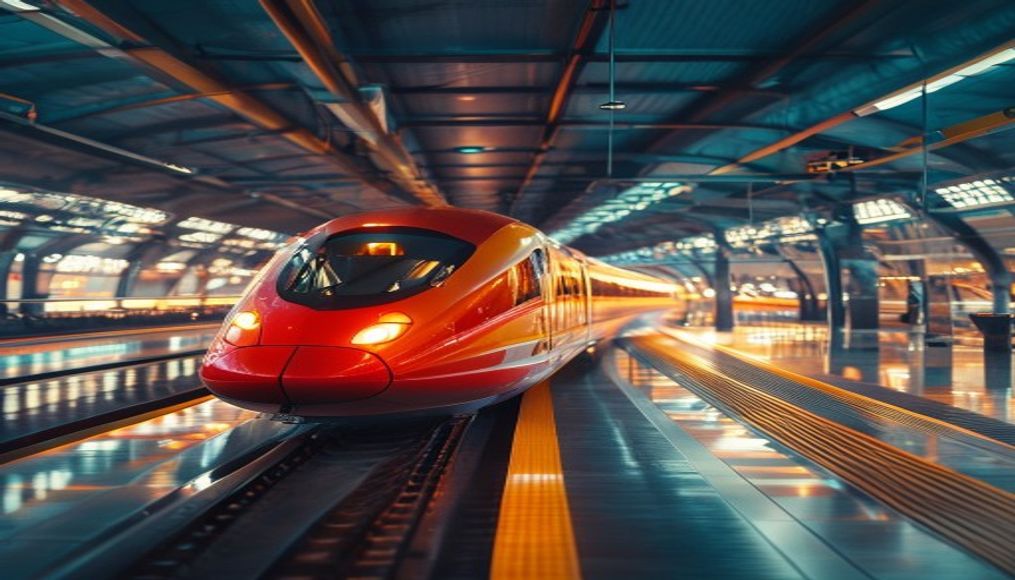
High-speed trains are one of the most popular and efficient ways to travel in China. They can reach speeds of up to 350 km/h (217 mph), which means you can travel long distances in a relatively short amount of time.
How to Book Tickets
Booking high-speed train tickets in China can be a bit confusing at first, but once you get the hang of it, it’s actually quite easy. There are several ways to book tickets, including:
- Online: You can book tickets online through the official China Railway 12306 website or through a third-party travel agency like Trip.com.
- At the Train Station: You can also book tickets at the train station ticket counter or through the self-service ticket machines.
- Through a Travel Agent: If you’re not comfortable booking tickets online or at the train station, you can always book through a travel agent.
When I first started traveling by high-speed train in China, I used to book my tickets through a travel agent. It was a bit more expensive, but it was also very convenient. However, I soon learned that booking tickets online was just as easy and much cheaper.
One tip I have for booking high-speed train tickets is to book them as early as possible. Tickets can sell out quickly, especially during peak travel times, so it’s a good idea to book your tickets as soon as you know your travel dates.
Another thing to keep in mind is that there are different classes of tickets available on high-speed trains, including first class, second class, and business class. First class and business class tickets are more expensive, but they also offer more amenities and a more comfortable travel experience. Second class tickets are the most affordable option, but they can still be very comfortable.
What to Expect on a High-Speed Train
Once you’ve booked your ticket, it’s time to board the train. High-speed trains in China are usually very clean and comfortable, and they offer a variety of amenities, including:
- Seats: The seats on high-speed trains are usually very comfortable, and they offer plenty of legroom and recline.
- Tables: Each seat usually has a small table, which is great for eating, working, or reading.
- Power Outlets: Most high-speed trains have power outlets at each seat, so you can charge your electronics.
- Food and Beverage Service: Some high-speed trains offer food and beverage service, either in the form of a dining car or a trolley service.
When I first started traveling by high-speed train in China, I was impressed by how clean and comfortable the trains were. The seats were very comfortable, and the amenities were top-notch. I also enjoyed the food and beverage service, which was very convenient.
One tip I have for traveling by high-speed train is to bring some snacks and drinks with you. While the food and beverage service on the train is usually very good, it can be a bit expensive. Bringing your own snacks and drinks will save you money and ensure that you have something to eat and drink during your journey.
Another thing to keep in mind is that high-speed trains in China can be very crowded, especially during peak travel times. Make sure you arrive at the train station early and be prepared to stand in line for a while. If you’re traveling with a lot of luggage, you may want to consider checking it in at the train station luggage storage.
Subways
Subways are another popular and efficient way to travel in China. They are usually very clean and fast, and they can take you to most of the major attractions in the city.
How to Use the Subway
Using the subway in China is relatively easy, but there are a few things you need to know. Here’s a step-by-step guide on how to use the subway:
- Buy a Ticket: You can buy a ticket at the subway station ticket counter or through the self-service ticket machines. The tickets are usually very affordable, and they can be used for a single journey or for multiple journeys.
- Pass Through the Turnstile: Once you’ve bought your ticket, you need to pass through the turnstile to enter the subway platform. Make sure you insert your ticket into the turnstile and wait for the green light to appear before pushing through.
- Board the Train: Once you’ve passed through the turnstile, you need to board the train. Make sure you wait for the train to come to a complete stop before boarding, and be careful not to push or shove.
- Find a Seat or Stand: Once you’ve boarded the train, you need to find a seat or stand. If there are no seats available, you can stand in the aisle or hold on to the handrails.
- Get Off the Train: When you reach your destination, you need to get off the train. Make sure you wait for the train to come to a complete stop before getting off, and be careful not to push or shove.
When I first started using the subway in China, I was a bit confused by the system. But I quickly learned that as long as you follow the signs and instructions, you’ll be able to find your way around just fine.
One tip I have for using the subway is to buy a rechargeable subway card. These cards are very convenient, and they can be used to pay for your subway fares. You can also use them to pay for other transportation options, such as buses and taxis.
Another thing to keep in mind is that the subway can be very crowded, especially during peak travel times. Make sure you hold on to your belongings tightly and be careful not to push or shove.
Subway Etiquette
In addition to following the basic rules of using the subway, there are also a few etiquette tips you should keep in mind. Here are some of the most important subway etiquette tips:
- Give Up Your Seat: If you see an elderly person, a pregnant woman, or a person with a disability, it’s polite to give up your seat.
- Don’t Talk Loudly: The subway can be very noisy, but it’s still polite to keep your voice down.
- Don’t Eat or Drink: Eating and drinking on the subway is usually not allowed, so make sure you finish your food and drinks before boarding the train.
- Don’t Block the Door: When the train arrives at a station, make sure you don’t block the door. Stand back and let the passengers get off the train