Navigating China’s Transportation Maze: A Californian’s Guide
Introduction
Embarking on a journey to China? Well, get ready to dive into a transportation system that’s as intricate as it is captivating. Having spent over 10 years in Chengdu, I’ve had my fair share of escapades (and some rather comical mishaps) while trying to make sense of it all. As an American expat who hails from California, I vividly remember the initial shock of stepping into this new world of transportation. In LA, it’s relatively straightforward-you either drive, take the bus, or hop on the subway, and the rules are pretty much etched in stone. But here in China, it’s like entering a whole new ballgame, one that’s filled with surprises at every turn.
I’ll never forget my first few weeks in Chengdu. It was like being thrown into a scene straight out of ‘The Hunger Games’ when I attempted to take the subway for the first time. The crowds were intense, and I felt like a lost lamb, with no clue about where to go or how to even buy a ticket. But you know what? That’s precisely what makes it an adventure. It’s those moments of confusion and discovery that add a unique flavor to your Chinese travel experience.

The Basics of Chinese Transportation
Subways
The subway system in China is nothing short of impressive. It’s extensive and efficient, making it a top choice for getting around in big cities like Beijing, Shanghai, and of course, Chengdu. The stations are usually clean and well-signposted, which is a great relief. And the fact that the signs are in both Chinese and English is a huge help for us foreigners. However, be prepared for the crowds, especially during rush hour. It can get a bit crazy, to say the least.
Actionable tip: If possible, try to avoid rush hour like the plague. But if you find yourself in the middle of it, hold on tight and be ready to be jostled around a bit. It’s all part of the experience, and you’ll get used to it in no time.
The fare system can also be a bit different from what you’re used to in the US. In some cities, you can simply buy a single-trip ticket at the station. But in others, like Chengdu, you might need to get a rechargeable card. I got a ‘Yikatong’ card, which was a game-changer. It allowed me to pay for subway rides, as well as buses and some taxis. The card costs a small deposit, which you can get back when you return it. It’s a convenient and cost-effective way to travel.

Buses
Buses are another common mode of transportation in China. They’re usually cheaper than the subway, but they can be a bit more challenging to navigate, especially if you don’t understand Chinese. The bus routes can be complex, and the stops aren’t always clearly marked. However, if you’re up for an adventure and want to see more of the local areas, buses can be a great option.
Actionable tip: Before getting on a bus, make sure you know the route and the stop you need to get off at. You can use a translation app or ask a local for help. Also, be prepared for the bus to be crowded, especially during peak hours. And don’t be afraid to ask for help if you need it. Most Chinese people are friendly and willing to assist.
Taxis
Taxis are a convenient way to get around, especially if you’re traveling with a group or have a lot of luggage. However, make sure the taxi has a meter running, as some drivers may try to overcharge you, especially if they think you’re a tourist. It’s also a good idea to have your destination written down in Chinese, as not all taxi drivers speak English.
Actionable tip: If you’re not comfortable with the taxi driver’s behavior or if you think you’re being overcharged, don’t be afraid to speak up. You can also ask the driver to take you to a nearby police station or a taxi stand, where you can find another taxi.
High-Speed Rail
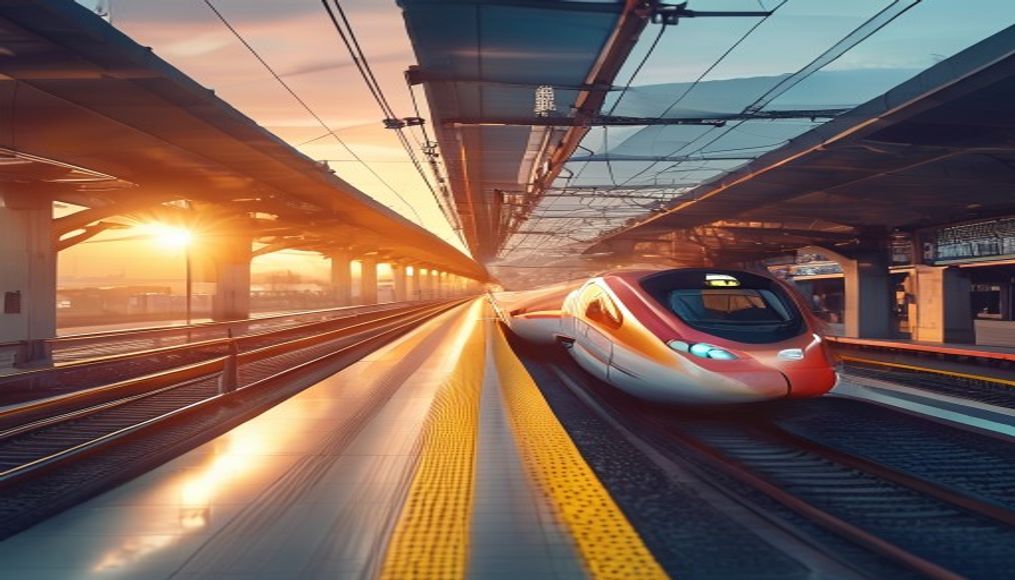
China’s high-speed rail network is one of the most extensive in the world. It’s a fast and convenient way to travel long distances, and the trains are usually very comfortable. However, the tickets can be a bit expensive, especially if you book at the last minute.
Actionable tip: If you’re planning to travel by high-speed rail, book your tickets in advance. You can do this online or at the train station. Also, make sure you arrive at the train station early, as the security checks can take some time.
Navigating Chinese Train Stations
Chinese train stations can be a bit overwhelming, especially if you’re not used to them. They’re usually very large and crowded, and there are a lot of people trying to sell you things. However, if you follow these tips, you’ll be able to navigate the train station like a pro.
Actionable tip: Before you arrive at the train station, make sure you have all your documents in order, including your ticket and your ID. Also, make sure you know where your train is departing from and what time it’s leaving. When you arrive at the train station, look for the signs that say ‘Ticket Office’ or ‘Information’. You can ask the staff for help if you need it.
Once you’ve found your way to the ticket office, you can either buy your ticket or pick up your pre-booked ticket. Make sure you have the correct amount of money, as the ticket office may not accept credit cards or other forms of payment. After you’ve bought your ticket, look for the signs that say ‘Platform’ or ‘Waiting Room’. Follow the signs to the platform where your train is departing from.
When you arrive at the platform, make sure you find your seat and put your luggage in the overhead bin. The train will usually arrive a few minutes before the scheduled departure time, so make sure you’re ready to board. Once you’re on the train, find your seat and sit down. The train will usually depart on time, so make sure you don’t miss it.
Using Mobile Payment in China
Mobile payment is extremely popular in China, and it’s a convenient way to pay for your transportation and other expenses. The two most popular mobile payment apps in China are Alipay and WeChat Pay. Both apps are very easy to use, and they offer a wide range of features and services.
Actionable tip: If you’re planning to use mobile payment in China, make sure you have a Chinese bank account or a credit card that’s linked to your Alipay or WeChat Pay account. You can also use a foreign credit card, but there may be some limitations. Also, make sure you have a good internet connection, as you’ll need to use your phone to make payments.
Once you’ve set up your Alipay or WeChat Pay account, you can start using it to pay for your transportation. Most subway stations and buses in China now accept mobile payment, so you don’t need to worry about carrying cash or buying tickets. You can also use mobile payment to pay for your taxis, high-speed rail tickets, and other expenses.
Conclusion
Navigating China’s transportation maze can be a challenge, but it’s also an exciting and rewarding experience. By following these tips and tricks, you’ll be able to get around China like a local and make the most of your travel experience. So, what are you waiting for? Book your trip to China today and start exploring this amazing country!
And if you’re interested in learning more about Chinese culture and history, be sure to check out our other articles on chinaboundtravel.com. We have a wealth of information on everything from the Terracotta Army in Xi’an to the tea culture in Hangzhou. So, go ahead and click on the links below to start exploring!
Xi’an Terracotta Army: History, Discovery, and Insider Tips
Chinese Tea Culture: History, Types, and Tea Ceremony Guide
The History And Culture Of The Great Wall: Beyond The Tourist Trail Guide