Foodie’s Guide to China: A Gastronomic Adventure
Introduction
If you’re planning a trip to China, get ready for a culinary journey like no other! As an American expat who has lived in Chengdu for over 10 years, I’ve had the privilege of exploring the diverse and delicious world of Chinese cuisine. In this blog post, I’ll share my top food recommendations, along with some cultural insights and practical tips to help you make the most of your foodie adventure in China.
The Magic of Chinese Cuisine
Chinese cuisine is a rich tapestry of flavors, textures, and cooking techniques. From the spicy Sichuan dishes to the delicate Cantonese dim sum, each region has its own unique culinary identity. One of the things I love most about Chinese food is its emphasis on balance and harmony. The combination of sweet, sour, salty, bitter, and umami flavors creates a symphony of tastes that is both satisfying and addictive.
Another fascinating aspect of Chinese cuisine is its cultural significance. Food is not just a means of sustenance in China; it’s a way of life. Meals are often shared with family and friends, and the act of eating is considered a social activity. Whether you’re dining at a fancy restaurant or a street food stall, you’re sure to feel the warmth and hospitality of the Chinese people.
Sichuan Cuisine: A Fiery Delight
No discussion of Chinese cuisine would be complete without mentioning Sichuan cuisine. Known for its bold and spicy flavors, Sichuan food is a favorite among locals and tourists alike. One of the most famous Sichuan dishes is hotpot, a communal meal where diners cook a variety of meats, vegetables, and noodles in a simmering pot of broth. The broth is usually flavored with chili peppers, Sichuan peppercorns, and other spices, giving it a numbing and spicy kick that is both addictive and delicious.
Another must-try Sichuan dish is mapo tofu, a spicy and savory dish made with soft tofu, minced meat, and a spicy sauce. The sauce is typically made with chili bean paste, Sichuan peppercorns, garlic, and ginger, giving it a rich and complex flavor that is both spicy and umami.
If you’re looking for something a little lighter, try some Sichuan noodles. There are many different types of Sichuan noodles, but one of the most popular is dan dan noodles. These noodles are made with a spicy sauce that is typically made with chili oil, Sichuan peppercorns, garlic, and ginger, and are topped with minced meat, scallions, and peanuts.
Cantonese Cuisine: A Taste of the South
Cantonese cuisine is another popular Chinese cuisine that is known for its delicate and flavorful dishes. One of the most famous Cantonese dishes is dim sum, a variety of small bite-sized dishes that are typically served in bamboo steamers. Dim sum can include a variety of items, such as dumplings, buns, rolls, and pastries, and are often filled with meats, seafood, vegetables, or other ingredients.
Another must-try Cantonese dish is roast duck, a crispy and flavorful dish made with a whole duck that is roasted until the skin is crispy and the meat is tender. The duck is typically served with a side of pancakes, scallions, and a special sauce that is made with hoisin sauce, soy sauce, and other spices.
If you’re looking for something a little lighter, try some Cantonese stir-fry. Cantonese stir-fry is a popular dish that is made with a variety of meats, vegetables, and noodles that are stir-fried in a wok with a special sauce. The sauce is typically made with soy sauce, oyster sauce, and other spices, giving it a rich and complex flavor that is both savory and delicious.
Beijing Cuisine: A Taste of the Capital
Beijing cuisine is the traditional cuisine of the city of Beijing and is known for its rich and flavorful dishes. One of the most famous Beijing dishes is Peking duck, a crispy and flavorful dish made with a whole duck that is roasted until the skin is crispy and the meat is tender. The duck is typically served with a side of pancakes, scallions, and a special sauce that is made with hoisin sauce, soy sauce, and other spices.
Another must-try Beijing dish is dumplings, a variety of small bite-sized dishes that are typically filled with meats, vegetables, or other ingredients. There are many different types of dumplings in Beijing, but one of the most popular is jiaozi, which are typically made with a wheat flour wrapper and filled with minced meat and vegetables.
If you’re looking for something a little lighter, try some Beijing noodles. Beijing noodles are a popular dish that is made with a variety of meats, vegetables, and noodles that are stir-fried in a wok with a special sauce. The sauce is typically made with soy sauce, oyster sauce, and other spices, giving it a rich and complex flavor that is both savory and delicious.
Shanghai Cuisine: A Taste of the East
Shanghai cuisine is the traditional cuisine of the city of Shanghai and is known for its sweet and savory flavors. One of the most famous Shanghai dishes is xiaolongbao, a type of steamed dumpling that is filled with soup and meat. The dumplings are typically served with a side of vinegar and ginger, and are often eaten by biting into the dumpling and sucking out the soup.
Another must-try Shanghai dish is Shanghai noodles, a type of egg noodle that is typically served with a variety of meats, vegetables, and sauces. The sauce is typically made with soy sauce, oyster sauce, and other spices, giving it a rich and complex flavor that is both savory and delicious.
If you’re looking for something a little lighter, try some Shanghai stir-fry. Shanghai stir-fry is a popular dish that is made with a variety of meats, vegetables, and noodles that are stir-fried in a wok with a special sauce. The sauce is typically made with soy sauce, oyster sauce, and other spices, giving it a rich and complex flavor that is both savory and delicious.
Street Food: A Gastronomic Adventure
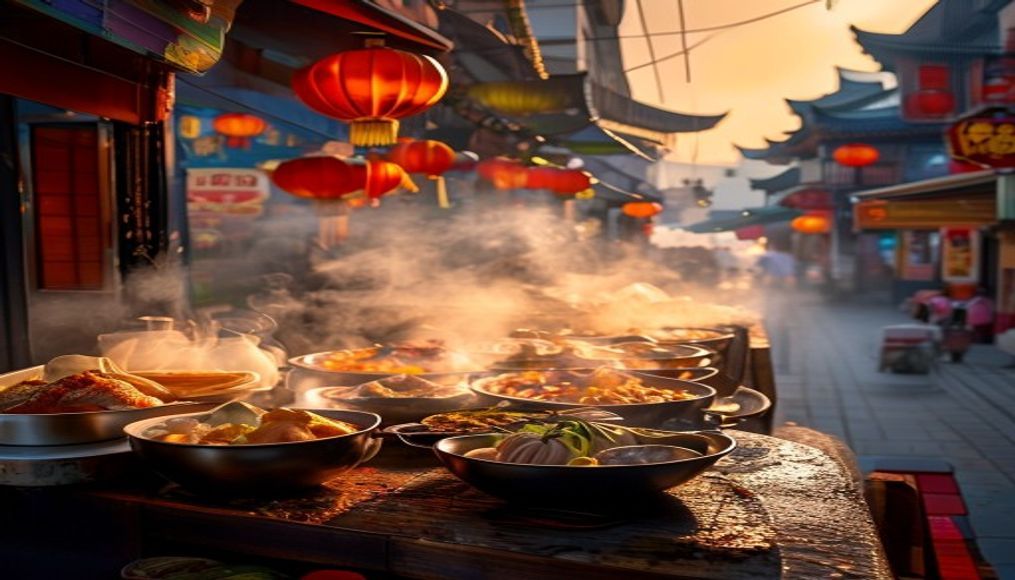
One of the best ways to experience Chinese cuisine is to explore the street food scene. From spicy noodles to savory dumplings, there is something for everyone to enjoy. One of my favorite street food dishes in China is roujiamo, a type of Chinese sandwich that is made with a pita bread filled with minced meat and vegetables. The meat is typically marinated in a special sauce and cooked until tender, giving it a rich and flavorful taste.
Another must-try street food dish is baozi, a type of steamed bun that is filled with meats, vegetables, or other ingredients. There are many different types of baozi in China, but one of the most popular is xiaolongbao, which are typically made with a thin wrapper and filled with soup and meat.
If you’re looking for something a little sweeter, try some tanghulu, a type of Chinese candy that is made with fruit that is coated in a hard sugar shell. The fruit is typically skewered on a stick and dipped in the sugar shell, giving it a sweet and crispy taste.
Cultural Insights
In addition to its delicious food, China also has a rich and fascinating culture. When dining in China, it’s important to be aware of some cultural customs and traditions. For example, it’s considered polite to wait for the host or hostess to start eating before you begin. It’s also polite to use chopsticks correctly and to avoid making noise while eating.
Another important cultural custom in China is the art of bargaining. When shopping at a market or a street stall, it’s common to bargain with the vendor to get a better price. However, it’s important to be polite and respectful when bargaining, and to avoid being too aggressive or pushy.
Practical Tips
Here are some practical tips to help you make the most of your foodie adventure in China:
- Learn some basic Chinese phrases: While many Chinese people speak English, it’s still helpful to learn some basic Chinese phrases, such as “Ni hao” (hello), “Xie xie” (thank you), and “Zai jian” (goodbye).
- Be adventurous: Chinese cuisine is known for its diverse and unique flavors, so don’t be afraid to try new things.
- Use chopsticks: Chopsticks are the traditional eating utensils in China, so it’s a good idea to learn how to use them.
- Bargain: When shopping at a market or a street stall, it’s common to bargain with the vendor to get a better price.
- Be respectful: When dining in China, it’s important to be respectful of the local customs and traditions.
- Stay hydrated: China can be a hot and humid country, so it’s important to stay hydrated by drinking plenty of water.
- Watch out for food allergies: If you have any food allergies, it’s important to be careful when dining in China. Make sure to ask the waiter or waitress if the food contains any ingredients that you are allergic to.
Conclusion
China is a food lover’s paradise, with a rich and diverse cuisine that is sure to satisfy even the most discerning palate. Whether you’re a fan of spicy Sichuan dishes, delicate Cantonese dim sum, or savory Beijing dumplings, there is something for everyone to enjoy. So, the next time you’re planning a trip to China, make sure to leave plenty of room in your itinerary for some delicious foodie adventures. And don’t forget to share your experiences with me! I’d love to hear about your favorite Chinese dishes and your foodie adventures in China.


In conclusion, China offers a culinary experience like no other. From the spicy delights of Sichuan to the delicate flavors of Cantonese cuisine, there’s a world of taste waiting to be explored. Remember to be adventurous, respect the local customs, and most importantly, enjoy every bite. And if you want to learn more about China travel, check out these related articles: Xi’an Terracotta Army: History, Discovery, and Insider Tips, Zhangjiajie Avatar Mountains: Complete Guide to China’s Most Spectacular Park, Sichuan Hotpot Guide: History, Best Restaurants, and Cultural Significance, and Chinese Tea Culture: History, Types, and Tea Ceremony Guide.